Riga Photography Biennial 2026 central event
Astrid Ardagh (NO), Nanna Debois Buhl (DK), Henna-Riikka Halonen (FI), Inka & Niclas (SE), Kristina Õllek & Kert Viiart-Õllek (EE), Rasa Šmite and Raitis Šmits (LV), Sabīne Šnē (LV), Istvan Virag (HU/NO)
Of all the important questions that occupy human minds, one is eternal: how to survive? It’s a question that can turn in an instant from a seemingly prosaic problem with a rational solution into a universal riddle to which no one knows the answer. We may engage in credible or more questionable conjecture about the demise of wonderful ancient civilisations; evidence of whose existence is revealed to us from time to time by the soil and cultural memory. But there is no answer to the question, just like there is no solution to the currently acute contradiction between the human desire to control and exploit natural systems and our negligible knowledge about them – no one can fully explain the workings of ecosystems or what determines biological diversity on Earth. Religious and philosophic teachings all have their own accounts, while the branch of science delegated to study the relationship between living organisms and the environment has acquired the name “ecology”, from the Greek word οἶκος, oikos, meaning house or environment. Economics has the same root.
Ecology is a comparatively new science but the changing climate and the coronavirus pandemic in the early 2020s has given it extraordinarily powerful resonance among the public. In particular, the mass involvement of the younger generation in climate activist movements following the Swedish fifteen-year-old Greta Thunberg has made us re-evaluate our deep-rooted convictions and introduced a new perspective on man’s place on Earth among other species. Within the last few years, at least in the West, people have noticeably started to change their habits – what we eat, what we wear, what we do with surplus production, how we travel, how we construct our identity and build our relationships with others; furthermore, this change in opinions and habits has been influenced by ever-present technologies and artificial intelligence’s promise that it can do everything quicker and better than us. Paradoxically, it is young people’s activism that, by rousing the masses and also setting off the sceptics, has brought the focus of the general public back to science and its
The Riga Photography Biennial is an international contemporary art event, focusing on the analysis of visual culture and artistic representation. The rapid development of modern technology has led us to reassess the meaning of images and the messages they convey. The internet and social networks have made photography one of our primary means of communication, while the dominance of the virtual environment has significantly changed the way we perceive and use images. The term ‘photography’ in the title of the biennial is used as an all-embracing concept encompassing a mixed range of artistic image-making practices that continue to transform the lexicon of contemporary art in the 21st century.
potential to provide trustworthy results from observations, experiments and modelling of the future, on which cases in debates and decisions can be based.
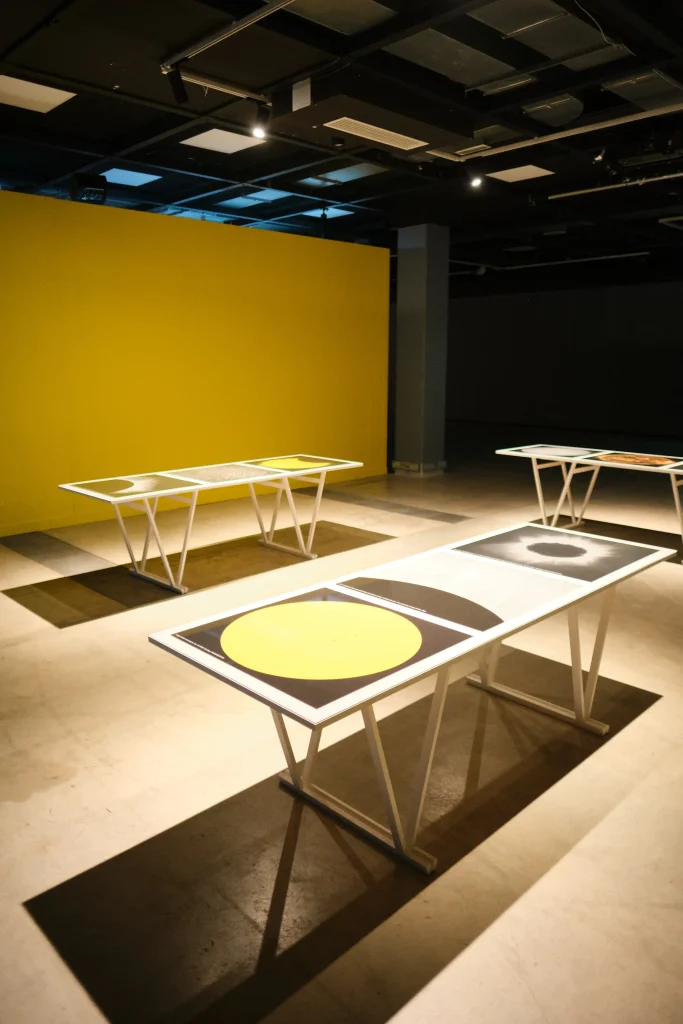
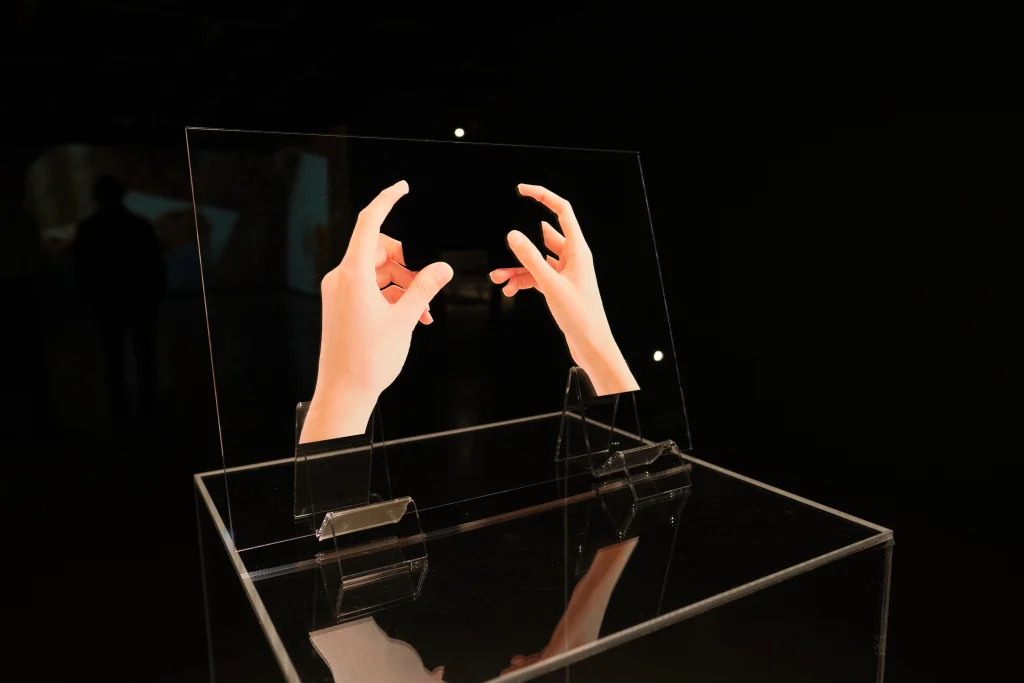
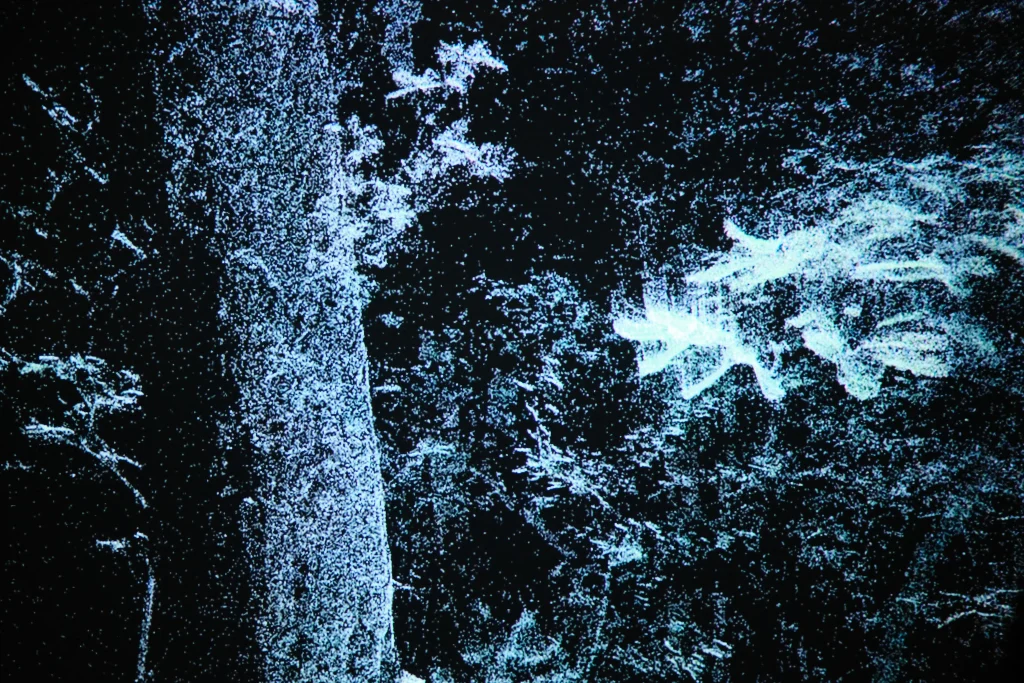
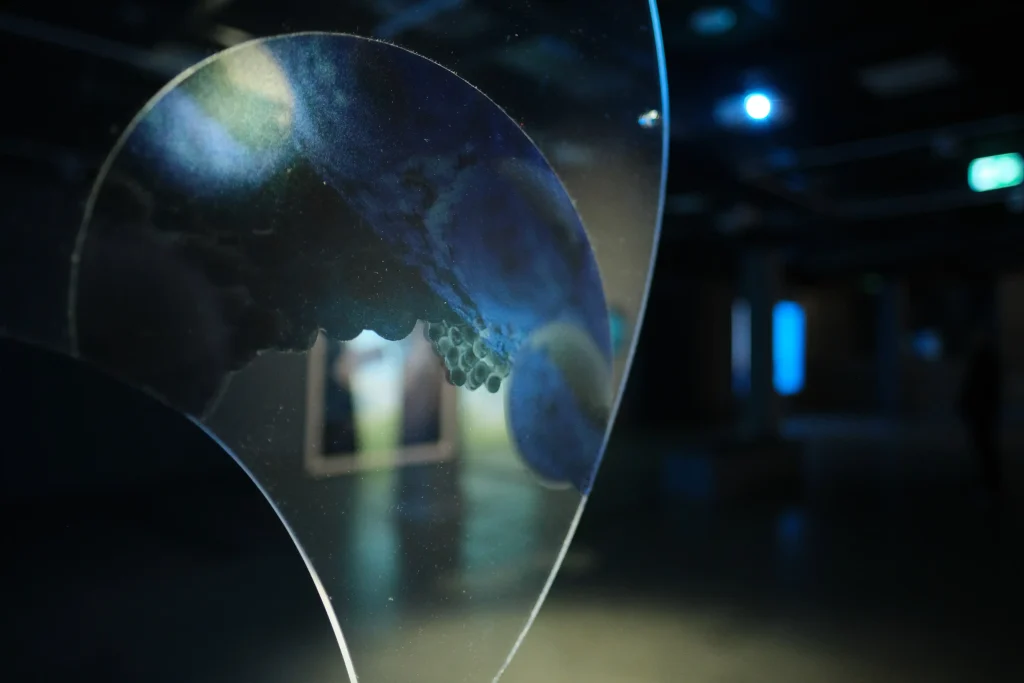
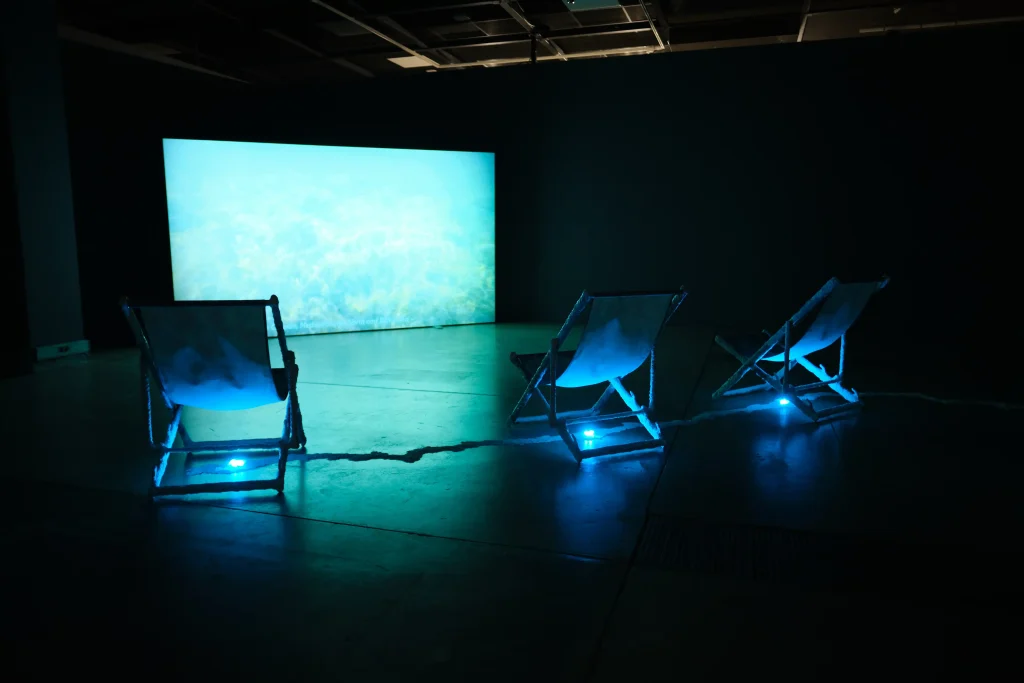
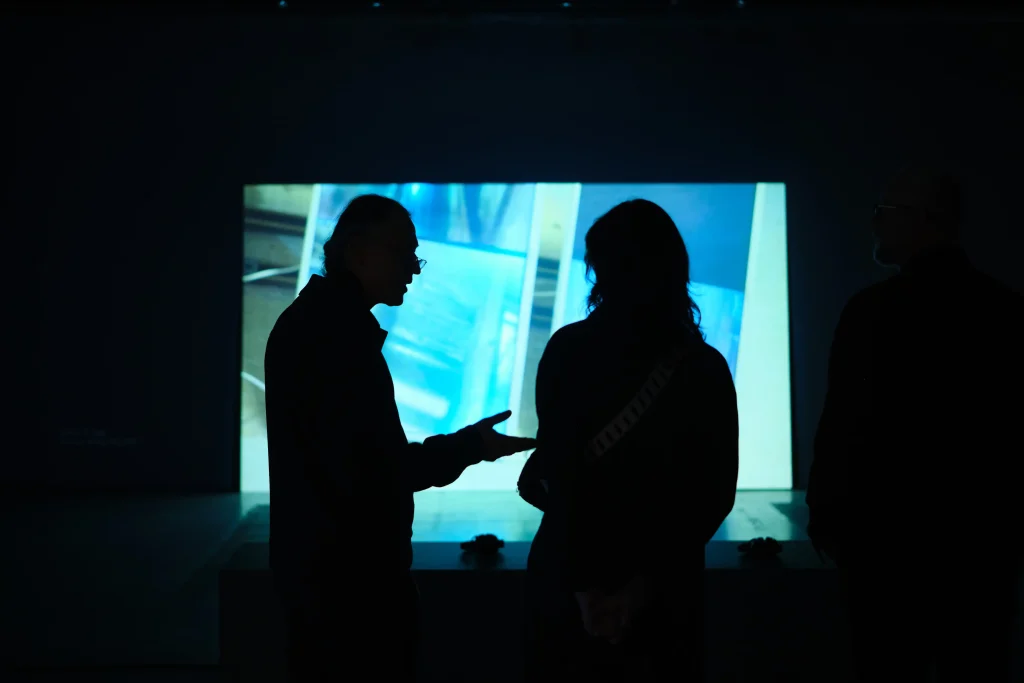
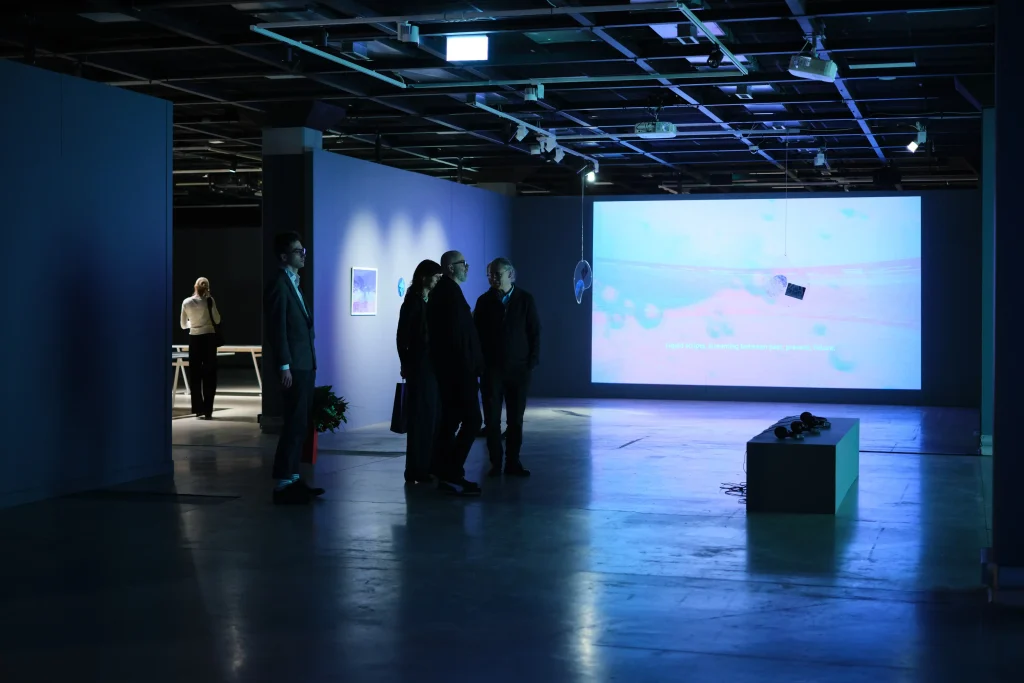
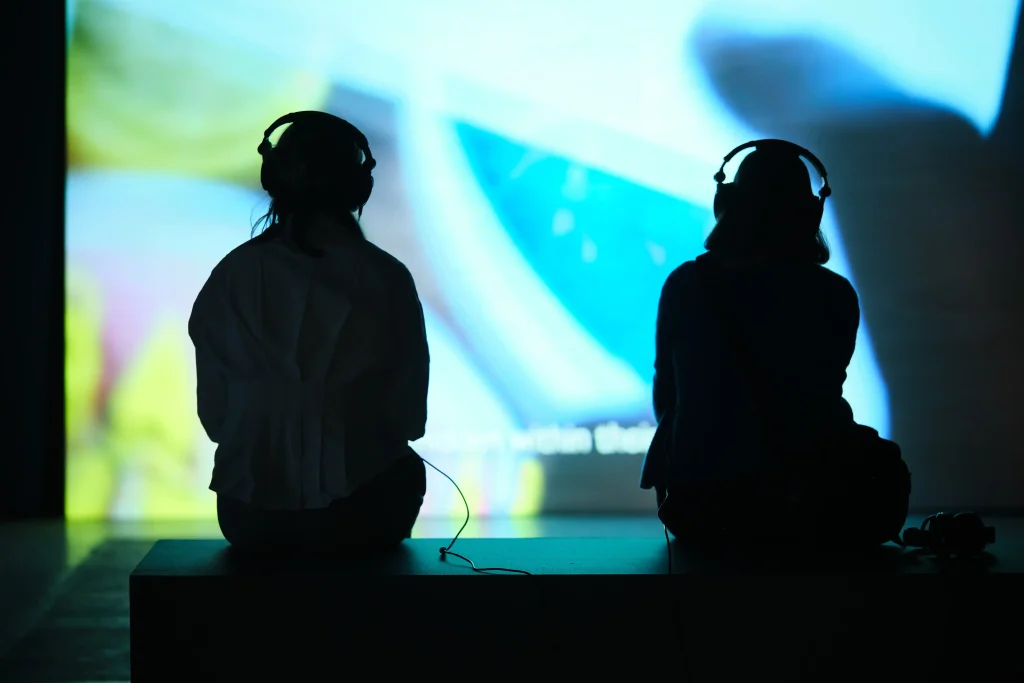
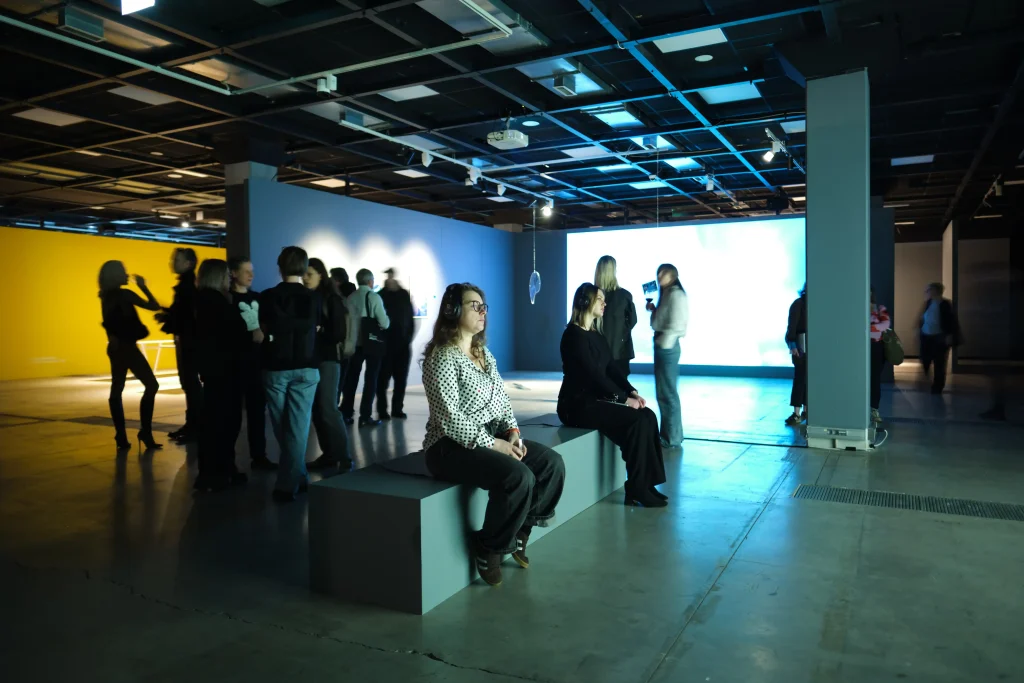
The exhibition Zoom In: Ecology presents nine reflections on human merging with digital technologies and/or nature. It investigates how digital activities influence ecosystems, natural resources and human nature, attempting to navigate through this finely crafted web of relationships.
Curators: Inga Brūvere, Marie Sjøvold (NO)
Text by: Aiga Dzalbe
Exhibition design: Inga Brūvere
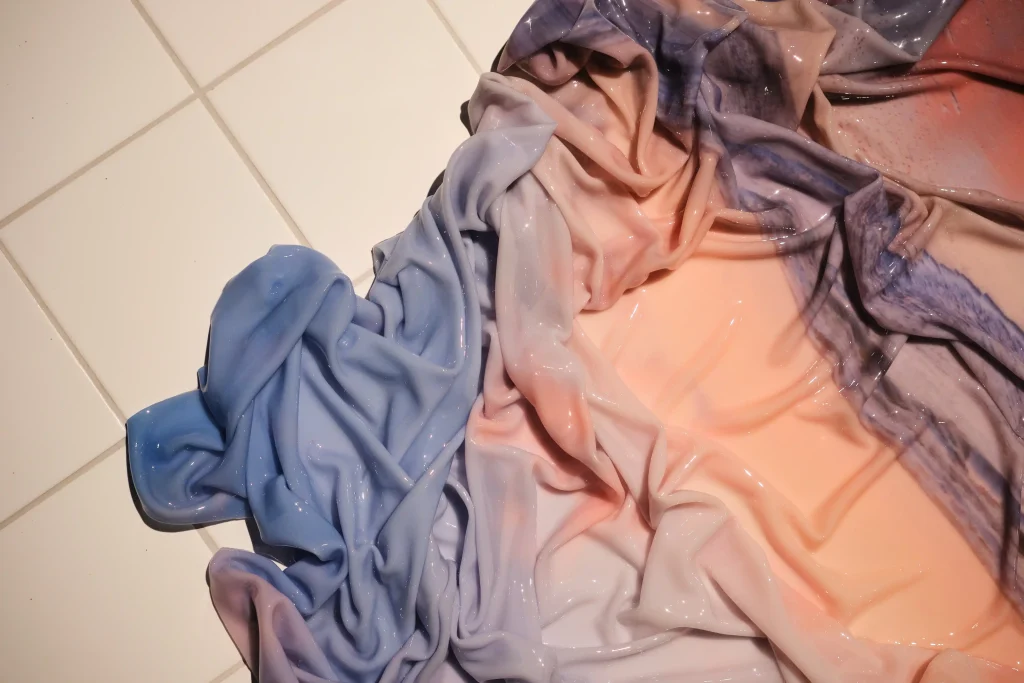
Image: Nanna Debois Buhl, ‘A Human Computer’, installation, 2020. Photo: David Stjernholm
The exhibition is organized by Riga City Municipality Institution RIGA CONTEMPORARY ART SPACE and Riga Photography Biennial, with the support of the Riga City Municipality