What am I afraid of? What are you afraid of?
Why am I angry? Why are you angry?
Why am I sad? Why are you sad?
Why do I feel disgust? Why do you feel disgust?
When am I truly happy? When are you truly happy?
Is there anything that can still surprise me? Is there anything that can still surprise you?
The outside world is currently being mapped with extraordinary precision. Satellites track every point on earth, algorithms predict our choices, and data points help us navigate an increasingly complex reality—even as these same points are being used to influence this reality. Yet we find it much harder to navigate the territory closest to us—our own emotional landscape.
This landscape is different for everyone—often complex, ever-changing, and unpredictable. It has peaks and valleys, familiar paths and thickets. Places where we feel safe; and places we avoid. It contains joy and sadness, anger and fear, disgust and surprise—an entire multilayered spectrum of emotions and sensations.
When was the last time you honestly asked yourself: “How am I feeling today?” And asked someone else: “How are you feeling today?” Not out of politeness, but with a genuine desire to hear the answer. This question invites us to pay attention to what is happening within us.
It was also the first question that Dr. Ilze Aizsilniece asked her patients. This exhibition is dedicated to her and continues the conversation she began on emotional literacy, inviting us to view emotions through the prism of art, science, medicine, and personal experience.
Emotions are information. They signal our needs, boundaries, values, and relationships with the world around us. They influence our choices, health, well-being, ability to make decisions, and ability to coexist with one another. They shape our experiences. In order to explore one’s emotional landscape and not get lost in it, one needs space, time, and landmarks. This exhibition is an attempt to create such a space.
Art helps us see what cannot always be put into words. Peter Salovey, a professor of psychology at Yale University, co-author of the concept of emotional intelligence, and former president of Yale University, believes that art is one of the most powerful ways to develop emotional intelligence because it provides an opportunity to practise experiencing certain emotions in a safe environment. “[Art is] a wonderful stimulus for talking about one’s feelings and, as a result, learning more about them.”
Perhaps it all begins with paying attention. The ability to pause.
And the question: HOW ARE YOU TODAY?
Artists: Kristaps Ancāns, Ēriks Apaļais, Kristians Brekte, Andris Breže, Aleksandrs Breže, Anna Ceipe, Kristiāna Dimitere, Reinis Dzudzilo, Miķelis Fišers, Indriķis Ģelzis, Helēna Heinrihsone, Brenda Jansone, Marks Halsons (Marc Hulson), Frančeska Kirke, Maija Kurševa, Katrīna Lipšāne, Laimdota Malle, Sarmīte Māliņa, MAREUNROL’S, Ģirts Muižnieks, Pauls Rietums, Ilze Rukšāne, Līga Spunde, Krista Vindberga-Auzniece, Artūrs Virtmanis, Amanda Ziemele, Otto Zitmanis, Paula Zvane
Curators: Una Meistere and Daiga Rudzāte
Design: Martins Vizbulis
Organised by: Rīgas valstspilsētas pašvaldības iestāde RĪGAS LAIKMETĪGĀS MĀKSLAS TELPA
Supported by: Rīgas valstspilsētas pašvaldība, biedrība “Veselīga Latvija”, Ārstes Ilzes Aizsilnieces fonds
Main media partner: Jauns.lv
Cooperation partner: Arterritory.com
Special thanks: Armands Garkāns, Taka Spa, Latvijas Nacionālais mākslas muzejs, Ola Foundation
The exhibition “HOW ARE YOU TODAY? Emotional intelligence” is also part of an international study on the experience of art and its significance in people’s lives, conducted by the Yale Center for Emotional Intelligence. The study explores how people experience art, the emotions, memories and associations it evokes, and how encounters with art influence their understanding of themselves and the world around them. Visitors to the exhibition are invited to take part voluntarily by completing an anonymous survey about their experience of the exhibition.
Read an interview with Peter Salovey, former President of Yale University and Sterling Professor of Psychology here:
https://spiriterritory.com/conversations/interviews/25498-emotions_help_us_understand_what_we_should_be_paying_attention_to
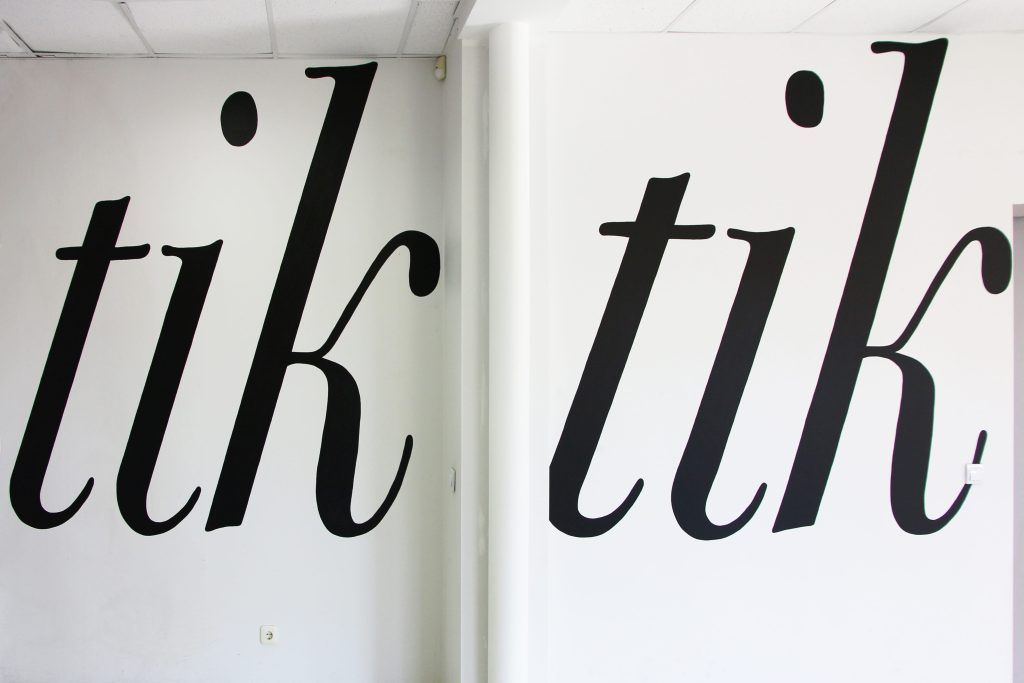
Photo: Reinis Dzudzilo & Krista Vindberga. ALL TIME. 2023